R-2130 RegioJet — 3D CAD Concept Revival Project
What It Is
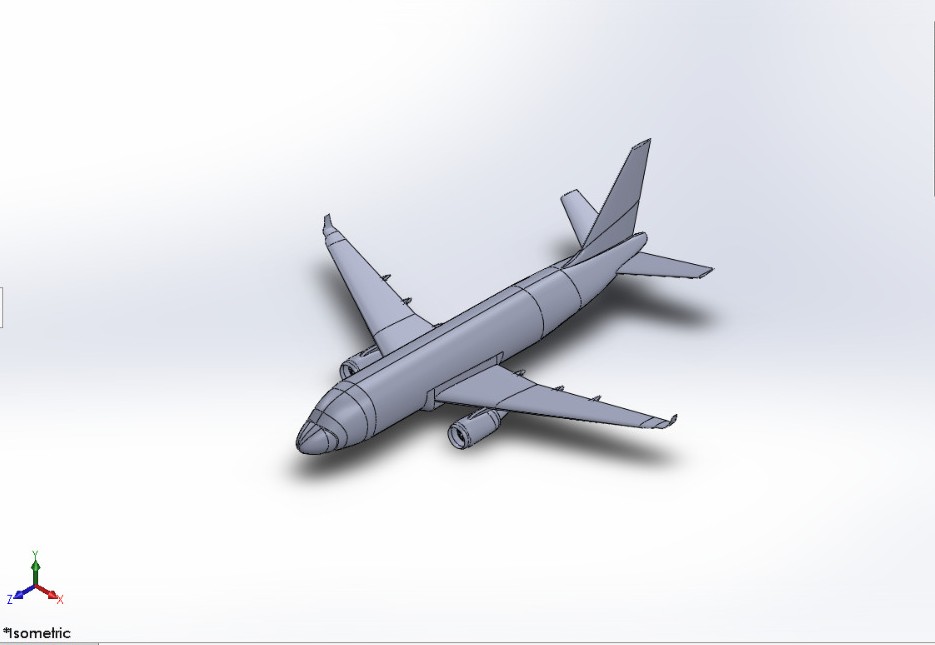
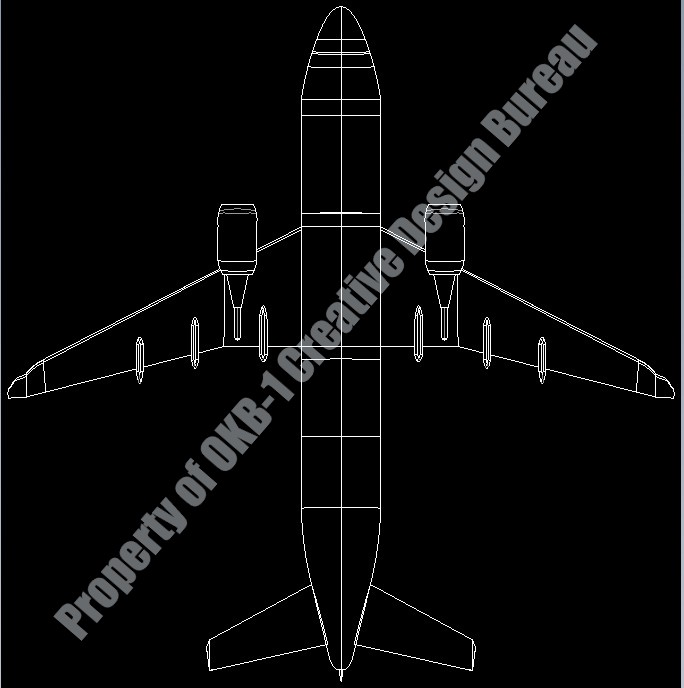
The R-2130 RegioJet is a modernized, reimagined evolution of Indonesia’s cancelled N-2130 project—rebuilt not as a simple upgrade, but as a complete 21st-century reinterpretation.
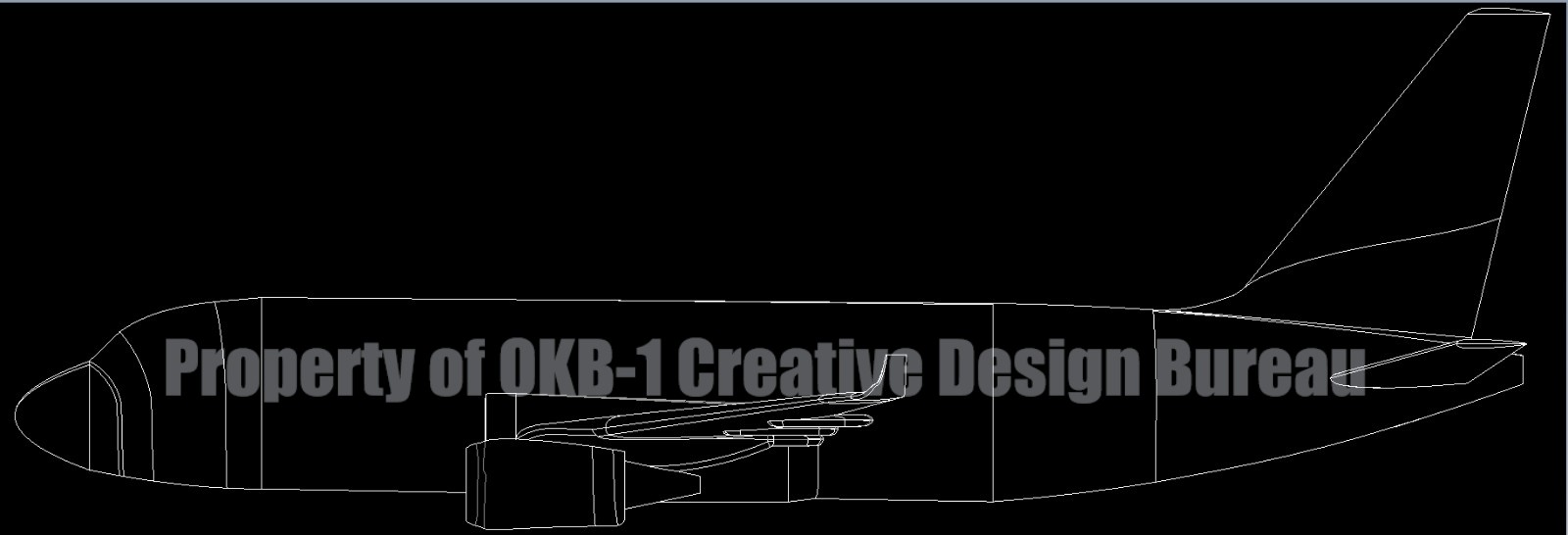
This 3D CAD concept combines:
- A supercritical wingtip with advanced blended winglets A more aerodynamic, modern vertical stabilizer An A320-inspired, refined cockpit geometry A fuselage reshaped for improved efficiency and contemporary aesthetics
- The R-2130 is not an official PTDI product.
- It is my engineering vision of what the N-2130 might have become if it had survived into the modern era—an “N-2130 NEO,” rebuilt to challenge today’s regional jet market.
The Background: From N-2130 to a Modern Revival
The original N-2130 was Indonesia’s bold entry into the jetliner world—an ambitious 100–130 seat aircraft aimed at the same market Boeing and Airbus later fought over. Its cancellation left a technological void and a lingering “what if” in Southeast Asian aerospace history.
PTDI’s later shift from the “N-” prefix to the “R-” designation (as in the R-80 deriving from the N-250) represents a symbolic rebirth, a transition from old ambitions to new, modernized engineering visions. The R-2130 concept continues that lineage.
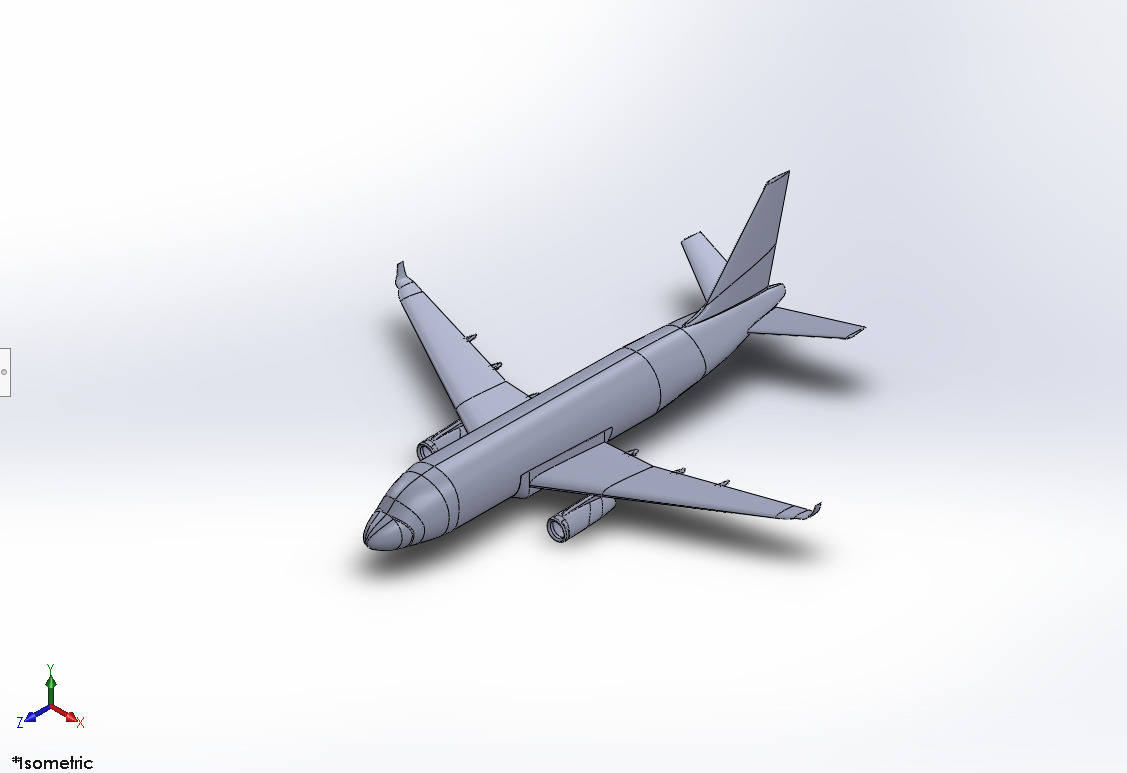
This reinterpretation imagines:
- What if PTDI revisited the N-2130 concept today?
- What if Indonesia entered the market now, against the A220, E-Jets, and SSJ-100?
- What would a competitive, next-generation RegioJet look like?
The R-2130 is the answer—an optimistic alternate history where the N-2130 didn’t die, but evolved.
Why I Made This Project
I created this CAD because I wanted to explore — not nostalgically, but technically — how a cancelled Indonesian aircraft might have grown into a modern product line.
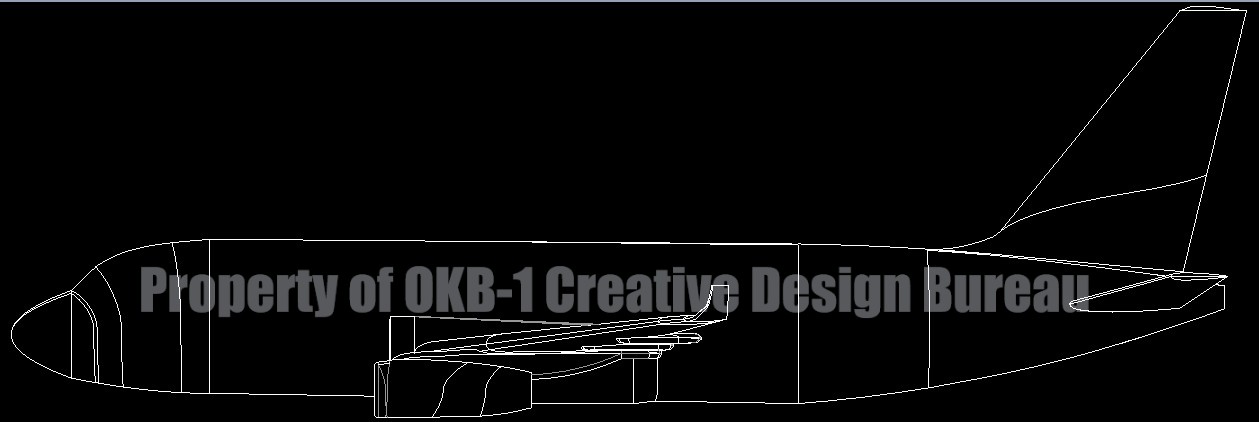
This project is driven by:
- Historical curiosity: preserving the story of the N-2130
- Engineering imagination: updating its design within realistic constraints
- Aviation pride: showcasing a “what could have been” path for Indonesian aerospace
- Design philosophy: merging classic 1990s IPTN DNA with today’s aerodynamic advancements
Rather than letting the N-2130 end as a forgotten idea, I wanted to give it a second life—a rebirth as the R-2130 that PTDI might have pursued in a different timeline.
Why It’s Cool
The R-2130 is cool because it represents an alternate aviation future — a world where Indonesia didn’t step away from commercial jet production, but evolved it.
It blends:
- Modern regional jet competition (A220, E175/E195-E2, SSJ-100) Contemporary aerodynamic language (supercritical wing, blended winglets, sculpted surfaces) Distinct IPTN/PTDI heritage, still visible in the proportions and layout A futuristic cockpit profile inspired by the A320 but shaped to fit the original concept
- This aircraft looks like something that belongs in 2025—not a retro revival, but a genuine next-generation design.
It’s cool because the R-2130 isn’t just a model—it’s a story of continuity, a symbol of what Indonesian aerospace might still be capable of if given another chance.
By rebuilding it in 3D, we get to see a future that was never realized—yet feels entirely possible.
See Also:
Related Aircraft in the project IPTN N-2130
Other aircraft project with similar size and capability Dassault Mercure
Back to Home Back to Home